Almost everyone ignores the part that makes hibiscus for hair growth possible.
Also, there’s some negative side effects. Skip if blonde or grey hair. Sensitive scalps or if allergic to Malvaceae plant family.
But more disadvantages
Disadvantages of hibiscus leaves for hair
We focus on hair growth in this site. Advantages and disadvantages of hibiscus leaves for hair are a few:
How to read it. Severity: how much it disrupts hair or scalp. How common: real-world frequency. Evidence: how well the risk is supported. Reversible: whether stopping use restores hair and scalp. —: not applicable or not confirmed.
| Disadvantage | Severity | How common | Evidence | Reversible | Watch-out |
|---|---|---|---|---|---|
| 1 Dryness on hair and scalpAstringent tannins and organic acids | Moderate | Occasional | EstablishedTannins · acidic pH | Yes | Cap at 1–2× weekly. Skip on dry, brittle, or chemically treated hair. |
| 2 Sensitive-scalp irritationAcidic pH and plant compounds | Moderate | Occasional | EstablishedAcidic pH | Yes | Patch test 24h before first use. Stop if itching, burning, or redness appears. |
| 3 Allergic contact dermatitisMalvaceae-family allergens | High | Rare | EstablishedPlant allergens | With treatment | Patch test 24h. Skip if allergic to okra, cotton, or marshmallow — same plant family. |
| 4 Staining hair and surfacesPlant pigments in leaves and flowers | Low | Common | EstablishedAnthocyanins · tannins | Partial | Strand test on blonde, grey, or bleached hair. Use dark towels and apply over a sink. |
| 5 Mucilage residue and build-upSticky gel-like film on the hair shaft | Low | Common | EstablishedMucilage polysaccharides | Yes | Rinse until water runs clear. Use a clarifying wash once a week if you notice coating. |
| 6 Breakage from a dried maskPaste hardens and snaps strands | Moderate | Occasional | PlausibleMechanical | Yes | Wear a shower cap. Never let a paste dry hard on your hair before rinsing. |
| 7 Messy to apply and rinseDrips, clings, and stains the bathroom | Low | Common | — | — | Apply over a sink. Keep water and a dark towel within reach before you start. |
| 8 Worsens certain scalp conditionsAggravates eczema, psoriasis, seborrheic dermatitis | High | Occasional | EstablishedAcidity · astringency | Yes | Avoid if you have active eczema, psoriasis, seborrheic dermatitis, or broken skin. |
| 9 Interferes with chemical treatmentsDye, bleach, relaxers, keratin, perms | Moderate | Occasional | PlausibleAcidic coating | Wait it out | Stop 1–2 weeks before and after any dye, bleach, relaxer, or keratin treatment. |
| 10 Microbial contaminationWater-based pastes, teas, and rinses | High | Common | EstablishedMicrobiology | Yes | Use within 24–48h. Refrigerate. Discard if it smells or looks off — do not top up old batches. |
| 11 Pesticides and contaminantsUnknown-source leaves and roadside plants | Moderate | Rare | EstablishedResidues · heavy metals | Yes | Use organic or trusted-source leaves. Avoid roadside or unknown gardens. |
| 12 Medication interactions (oral)Blood-pressure and diabetes drugs | High | Rare | EstablishedOral hibiscus data | With guidance | Talk to your doctor if on BP or diabetes meds. Avoid in pregnancy and breastfeeding. |
| 13 Not proven to grow hairNo human clinical trials | High | Always | — | — | Set realistic expectations. Do not replace evidence-based treatment with hibiscus. |
| 14 Delays real treatmentRelying on hibiscus instead of seeing a doctor | High | Common | EstablishedClinical principle | Yes | See a doctor for rapid, patchy, painful, or scarring hair loss — do not wait it out. |
| 15 Variable quality and potencyFresh, dried, powdered, and commercial differ | Moderate | Common | EstablishedPhytochemistry | — | Buy from reputable sources. Store dry and dark. Avoid powders with fillers or synthetic dyes. |
| 16 Not suitable for everyoneLight hair, sensitive scalps, allergies | Moderate | Situational | EstablishedDermatology | — | Skip if blonde, grey, sensitive-scalp, or allergic to the Malvaceae plant family. |
Can hibiscus grow hair?
Doubt it. It may help if the foundation is fixed, like healthy thyroid function. Unbalanced thyroid can turn hair dry and makes is prone to break and end up in the shower drain.
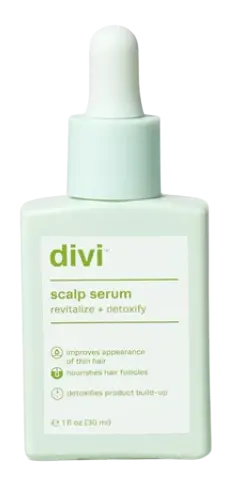
Divi Scalp Serum
A multi-peptide scalp serum with copper tripeptide-1 and acetyl tetrapeptide-3 — formulated to nourish follicles and support a healthy scalp.
- Multi-peptide complex: copper tripeptide-1 + acetyl tetrapeptide-3
- Caffeine, peppermint & DHT-balancing botanicals
- Lightweight & non-greasy — apply once daily
- Visible cosmetic results in as little as 6 weeks*
One-time purchase or subscribe & save 10% · Free shipping · Pause or cancel anytime
Advantages of hibiscus leaves for hair growth science
When you have the foundation in check, you can see better results.
A 2003 study found that hibiscus flower for hair growth is the best. But I still see tutorials online and rarely a leaf in sight. Hibiscus is in the Keshya category of herbs, which means it’s beneficial for your hair.
Which hibiscus is good for hair?
This article teaches you the truth and how to use hibiscus for hair properly. If you want shiny and stronger hair without using harsh chemicals, stick around.
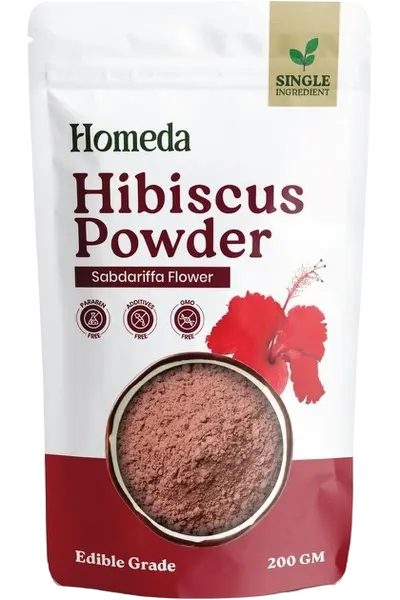
Organic Hibiscus Powder for Hair
100% pure Hibiscus sabdariffa flower powder — finely milled for DIY hair masks, oil infusions, and conditioning tea rinses. No fillers, no additives.
- Single-ingredient — pure hibiscus flower, non-GMO
- Fine-milled powder mixes smooth in water, yogurt, or oil
- For hair masks, pastes, scalp packs & tea rinses
- Free 30-day returns · Amazon’s Choice
Ships from Amazon · Free 30-day returns · In stock
Buy leaves and flowers madei into powder from nurseries or products made with Rosa sinensis
Use both. Leaves if you only care about hair growth and not your hair color or conditioning. Traditional Ayurvedics used the whole plant.
Which Hibiscus Species?
- Hibiscus rosa-sinensis (China rose, shoe flower) — The research used this species. Aim for this if you want the best hair treatment.
- Hibiscus sabdariffa (Roselle) — A different plant that’s only good for making tea.
Benefits of hibiscus leaves for hair
Hibiscus isn’t another hair trend. Used for millennia, particularly in India, to promote hair growth. Traditional Chinese remedy to make black hair dye from the flowers. A common ingredient in Philipines for hair fall and dandruff. Hibiscus is native to tropical Africa, traditionally used on hair and skin. Hibiscus is utilized specifically to combat premature gray hair.
How to use hibiscus leaves for hair growth
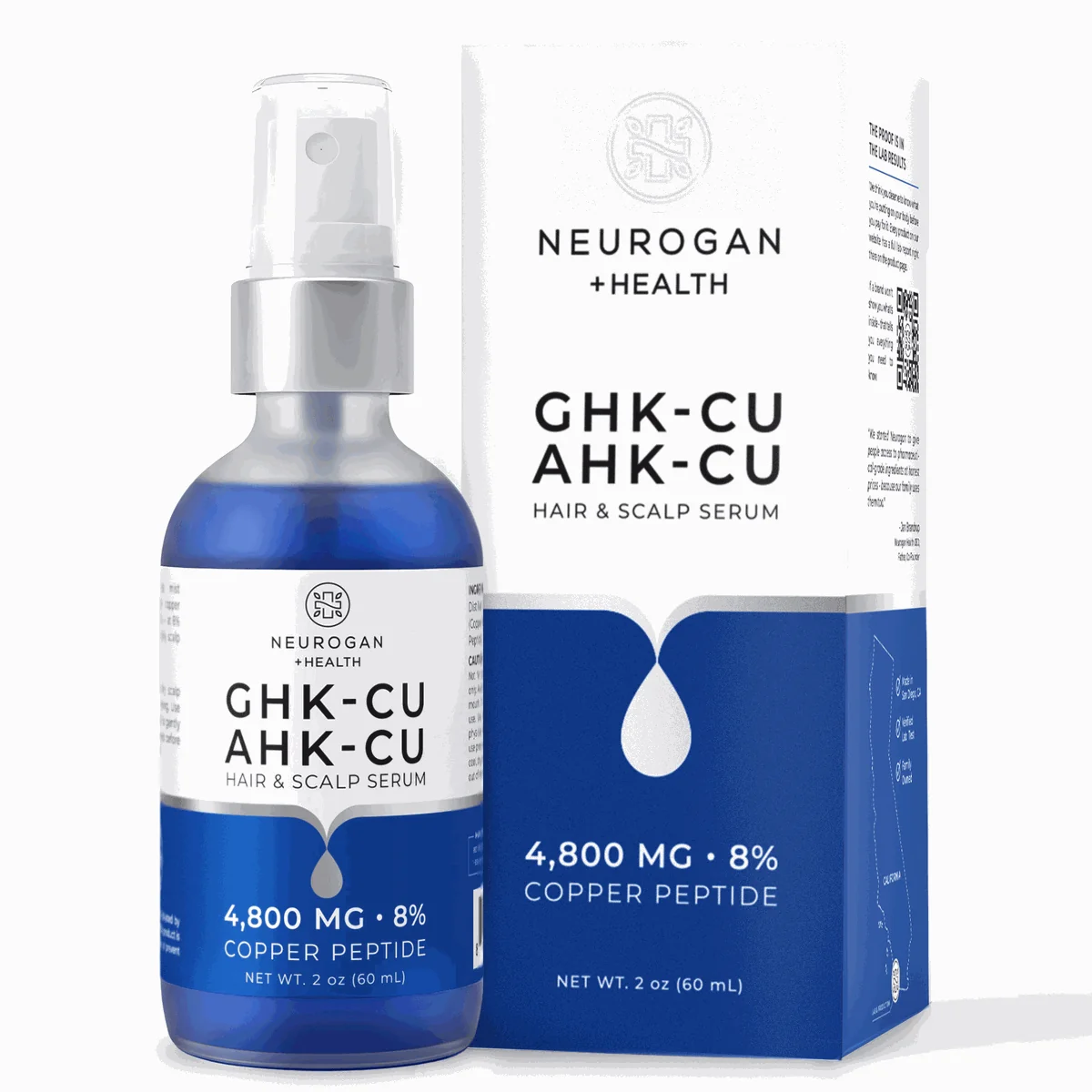
The results may not be as obvious as if you use peptides for hair growth.
Expert Tips for Maximum Results
#1: The Mucilage Extraction Technique
The slimier the paste, the better the conditioning effect. Knead fresh hibiscus in mimial water for at least 15 minutes to release nature’s “silicone” called mucilage.
#2: How to use hibiscus for grey hair
To cover grey hair effectively, cover the hibiscus paste at room temperature for 24 hours before you apply it. This will greatly improve pigment deposition.
For maximum grey coverage, let your hibiscus paste sit covered at room temperature for 24 hours before applying. This extended release time dramatically improves pigment deposition.
#3: Combine with Fenugreek for Thinning Hair
This is a powerful combination to apply to thinning areas. Soak fenugrig overnight and then blend with fresh hibiscus flowers and leaves. Apply to your scalp.
Hibiscus Hair Oil (2 Methods)
Method 1: Hot Infusion (30 minutes)
- 1 cup coconut or sesame oil
- 10-15 fresh hibiscus flowers + handful of leaves
- Heat on lowest setting for 30 minutes (don’t boil)
- Strain, cool, and store in a dark glass bottle
Method 2: Express Powder Method
- 2 tbsp hibiscus powder
- 1/2 cup warm oil
- Mix, and let it sit overnight
- Strain by using a cheesecloth
Hibiscus + Coconut Oil For Deep Hair Treatment
- 3 tbsp hibiscus-infused coconut oil
- 1 tbsp honey
- Apply to the scalp and lengths
- Cover with a shower cap, leave in for 1-2 hours
- Shampoo twice to remove the hair mask fully
Hibiscus + Yogurt Strengthening Mask
- 5-6 crushed hibiscus flowers + leaves
- 3 tbsp plain yogurt
- 1 tbsp honey
- Apply to damp hair, focus on lengths
- Leave 30-45 minutes, rinse
Hibiscus + Amla Growth Mask
- 2 tbsp hibiscus powder
- 2 tbsp amla powder
- Slowly add water or hibiscus tea to form a paste
- Apply to your scalp and leave for 45 minutes
- Rinse thoroughly
Hibiscus + Aloe Vera Conditioning Treatment
- 1/4 cup fresh aloe gel
- 6-8 crushed hibiscus flowers
- Let it sit for 30 minutes before use
- Leave for 20-30 minutes
- Rinse with cool water
Hibiscus + Fenugreek Anti-Dandruff Mask
- 2 tbsp fenugreek seeds (soaked overnight)
- Handful of hibiscus flowers and leaves
- Blend together to form a paste
- Apply to the scalp only
- Leave 30 minutes (don’t let it dry completely)
- Rinse well
Hibiscus Hair Rinse
- Boil 10-15 hibiscus flowers in 2 cups of water
- Simmer for 10 minutes, strain, cool
- After shampooing, pour through your hair
- Can be used as leave in or rinse after 5 minutes
Hibiscus Gel for Styling
- Blend soaked hibiscus flowers with minimal, distilled water
- Strain to remove the solids
- Add a few drops of oil for moisture
- Use as a natural styling gel
- Refrigerate and use within 1 week
Hibiscus Tea Rinse
- 2 tbsp dried hibiscus flowers
- 2 cups boiling water
- Steep until cool
- Use as a final rinse after conditioning
- No need to wash out
Hibiscus + Onion Juice for Thinning Areas
- 2 tbsp onion juice
- 2 tbsp hibiscus paste
- Mix and apply to thinning areas
- Leave 30 minutes
- Shampoo thoroughly, twice if needed
Homemade Hibiscus Shampoo
- 1/4 cup shikakai powder
- 2 tbsp hibiscus powder
- 2 tbsp amla powder
- Mix with water (distilled water if possible) to form a paste
- Use as a cleansing wash
- Follow up with a conditioner
Fresh vs. Dried vs. Powder vs. Oil: Which Form Is Best?
| Form | Best For | Pros | Cons |
| Fresh flowers/leaves | Maximum potency, immediate use | Highest nutrient content, natural mucilage | Perishable, seasonal |
| Dried flowers | Oil infusions, tea rinses | Long shelf life, concentrated | Needs rehydration |
| Powder | Masks, henna mixing | Convenient, stores well | Quality varies wildly |
| Infused oil | Pre-wash treatments, scalp massage | Easy application, no mess | Only fat-soluble compounds |
Quality Check for Hibiscus Powder for Hair Care:
The color should be vibrant pink-red and not dull brown. Also:
- Smells like tart hay/grass (not musty)
- When you mix it with water, it should create a red-purple solution
- The Ingredient list should only have “hibiscus” (Check for fillers)
When to Expect Results (Realistic Timeline)
Here’s a timeline and what you might notice using hibiscus for hair growth:
| Benefit | Timeline | Notes |
| Conditioning/shine | Immediate | Most universally experienced |
| Softer texture | 1-2 uses | Mucilage effect |
| Reduced hair fall | 2-4 weeks | Requires consistent use |
| Improved texture/strength | 3-4 weeks | Cumulative effect |
| Visible color tint | 4-8 weeks | Builds with repeated application |
| New hibiscus hair growth | 4-12 weeks | Significant individual variation |
| Grey coverage (with henna) | 4-8 weeks | Requires regular maintenance |
Consistency is the key to hair transformation. Using it one time will not make any difference. Aim for 1-2 times weekly for 8+ weeks to give hibiscus a fair chance.
Common Mistakes That Make Hibiscus Treatments Fail
1. Using Only Flowers
Use both.
2. Adding Too Much Water
The paste you form should be thick and not runny. Runny paste will drip everywhere, make a mess, and hinder scalp contact time.
3. Not Letting the Mixture Rest
Let the paste sit at room temperature for 30 minutes to 24 hours before you use it. This will let the enzymes become active.
4. Expecting Instant Results
Try it for at least 8-12 weeks before you judge the results and decide if it’s for you or not.
5. Using Poor Quality Powder
Powder mixed with synthetic dyes or fillers ain’t gonna cut it. The powder in water should turn a vibrant red-purple solution.
6. Rinsing Too Quickly
Leave it on for at least 20-30 minutes and overnight if you use oil. Longer contact will yield better results.
7. Letting Masks Dry Completely
A dried mask is a nightmare to remove and can cause hair breakage. Use a shower cap to keep the mask slightly damp.
8. Inconsistent Use
Weekly treatments for 2 months is far better than daily for 1 week.
9. Ignoring the Mess Factor
Hibiscus will stain everything red if you don’t use a dark towel to protect your bathroom and minimize hassles for you. Apply over a sink.
Side Effects and Who Should Be Cautious
Color Staining
- Real risk for light/blonde hair: Can deposit pink tones
- Always do a strand test first before you do a full application
Potential Scalp Reactions
Most people will tolerate hibiscus fine, but some can experience:
- Mild tingling (usually normal)
- Itching or redness (quit using it)
- Dryness if you overuse
Patch test protocol: Apply the paste to your inner elbow and wait for 24 hours to check if you get a reaction.
Who Should Consult a Practitioner First
- Pregnant or nursing: Hibiscus has traditionally used to prevent pregnancy
- Taking blood pressure medication: May interact
- Taking diabetes medication: May affect blood sugar
- Trying to get pregnant: Hibiscus has contraceptive properties.
Last words
Hibiscus has no clinical trials to prove it can regrow hair, but it has decades of historical use in hair care.
If you want a more effective hair growth formula, try making your own rosemary water for hair growth.
It’s a natural and effective addition to natural hair care remedies. It may support healthier hair growth and provide natural color dye options with minimal risk of side effects.
If you want a science-backed natural hair supplement, check out ginseng for hair growth.
The women in Bengal have used hibiscus for generations, and no clinical trials were in sight. But they paid attention to the results instead.
Try for at least 8-12 weeks before you judge. Use leaves and flowers.
Hair transformation takes time. 6 months is where hair growth and hair texture improvements will show up if consitent.
Want a shampoo that works alongside it? Read our ranking of the best Ayurvedic shampoos for hair loss.
Does hibiscus really help hair growth?
Animal studies consistently show hibiscus extract promotes hair growth by stimulating follicles and extending the anagen (growth) phase. However, no human clinical trials exist. The evidence is promising but preliminary. Many users report reduced hair fall and new growth after 4-12 weeks of consistent use.
Which hibiscus is best for hair growth?
Hibiscus rosa-sinensis (China rose or shoe flower) is the species used in scientific research and traditional Ayurvedic hair care. The common red variety works well. Avoid confusing it with Hibiscus sabdariffa (Roselle), which is used for tea and has different properties.
Which part of hibiscus is best—flower or leaves?
Leaf extract is more potent than flower extract for hair growth. For best results, use both parts. Flowers provide conditioning mucilage and color pigments; leaves provide stronger follicle-stimulating compounds.
How do I use hibiscus for hair growth at home?
The most effective methods include: (1) Hibiscus hair oil—infuse flowers and leaves in coconut/sesame oil; (2) Hair mask—blend fresh hibiscus with yogurt or aloe; (3) Tea rinse—brew hibiscus flowers, cool, use as final rinse. Apply 1-2 times weekly for at least 8 weeks.
Can I use hibiscus for hair growth overnight?
Yes, overnight oil treatments are particularly effective. Apply hibiscus-infused oil to scalp and hair, cover with a shower cap or silk scarf, wash out in the morning. This extended contact time allows deeper penetration of beneficial compounds.
How many times per week should I use hibiscus?
1-2 times per week is optimal for most hair types. More frequent use isn’t necessarily better and can lead to dryness. Fine hair may prefer weekly use; thick/coarse hair can handle twice weekly. Consistency over time matters more than frequency.
How long before I see results from hibiscus?
Conditioning and shine: immediate. Reduced hair fall: 2-4 weeks. Improved strength/texture: 3-4 weeks. Visible growth: 4-12 weeks. Grey coverage (with henna): 4-8 weeks. Results require consistent use; occasional application won’t deliver meaningful change.