

You usually notice thinning hair in a way that feels personal fast. More scalp showing under bathroom light, a weaker hairline in photos, or a widening part that was not there a few months ago. When people search for hair growth solutions that work, they are not looking for hype. They want visible improvement, a routine they can stick to, and products that make sense for the kind of shedding or thinning they are dealing with.
That is the real starting point. Hair growth is not one problem with one fix. It depends on why your hair is thinning, how long it has been happening, and whether the issue is breakage, shedding, miniaturization, or poor scalp condition. The good news is that many people can improve density and fullness with the right approach. The bad news is that the wrong approach wastes time when consistency matters most.
What makes hair growth solutions that work
The solutions that tend to deliver the best results have three things in common. They support the scalp environment, they target the actual cause of thinning, and they are used long enough to judge honestly.
That last point gets overlooked. Hair grows slowly. Most people need at least a few months to see meaningful cosmetic change, and some need longer before reduced shedding turns into better density. If you switch products every two weeks, you never give any one strategy a fair chance.
It also helps to separate growth from retention. Some people do not have a major growth problem. They have a breakage problem, scalp buildup problem, or inflammation problem. In those cases, hair can look thin because strands are not staying strong and healthy long enough to create fullness.
Start with the cause, not the promise
If your thinning showed up suddenly, think beyond hair products alone. Stress, illness, rapid weight loss, hormonal shifts, postpartum changes, certain medications, and low iron or other nutrient gaps can all increase shedding. This type of shedding can improve, but the timeline often depends on fixing the trigger.
If thinning has been gradual, especially around the temples, crown, or part line, pattern hair loss may be involved. That usually responds better to targeted regrowth support than random cosmetic products marketed for volume. You can still improve the look of your hair with thickening shampoos and styling products, but cosmetic fullness is not the same as changing the growth cycle.
Scalp condition matters too. Excess oil, buildup, itching, and irritation can interfere with a healthy environment for stronger-looking hair. A clean, balanced scalp will not solve every type of hair loss, but it removes a common barrier that makes hair look and feel weaker.
The treatments with the strongest real-world value
The most reliable hair growth strategies are not always the flashiest. They are the ones that address thinning from multiple angles and fit into daily life without becoming a burden.
Topical regrowth support
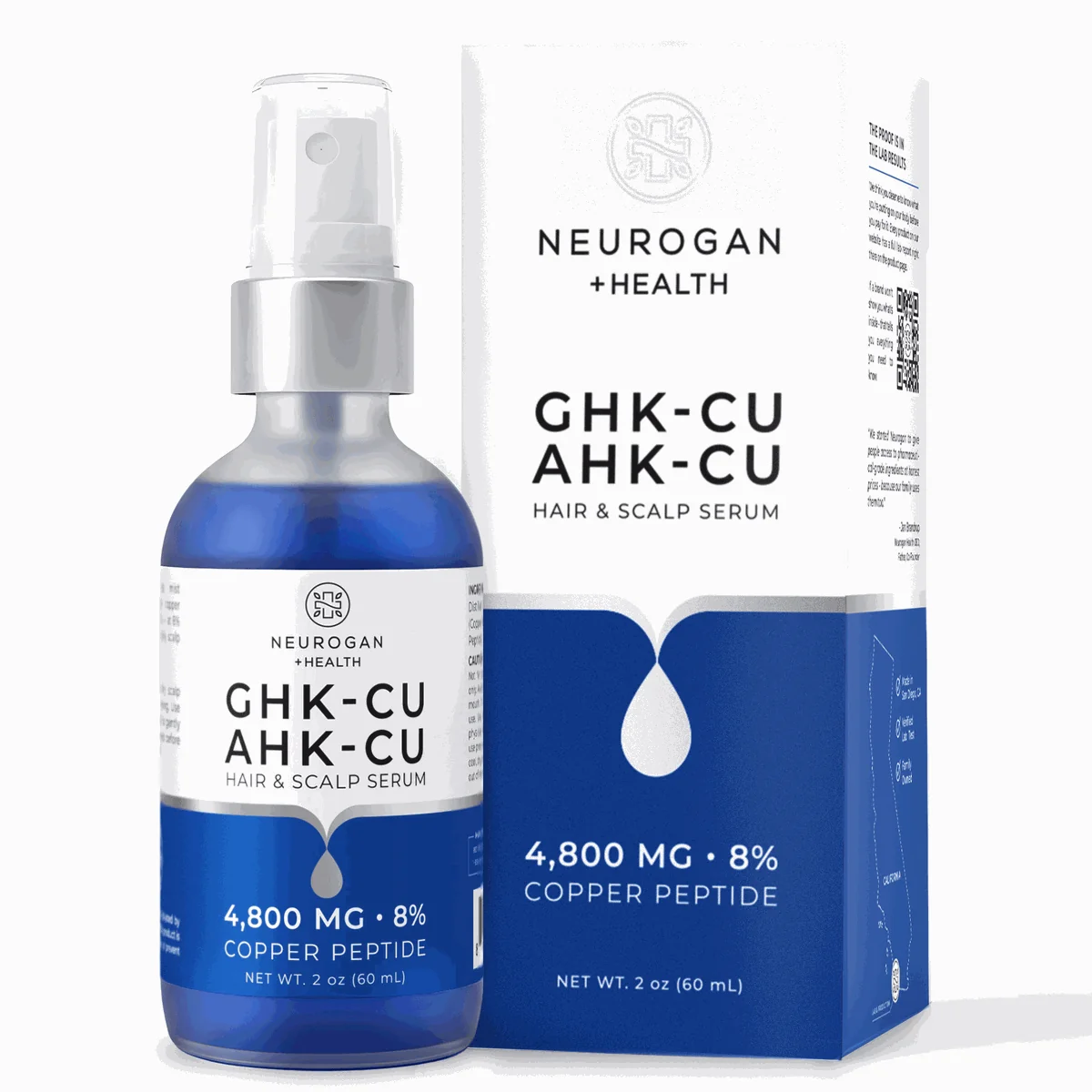
Topical treatments remain a core option because they bring active support directly to the scalp. The best products in this category are designed for consistent use and focus on areas where density is visibly dropping. This route makes sense for people who want a treatment-oriented step in their routine without starting with a clinical procedure.
What matters here is not just the label claim. Formula quality, ease of application, and scalp compatibility all affect whether you will keep using it. A product that feels greasy, irritates the scalp, or leaves residue often gets abandoned before it has a chance to work.
Scalp-focused care
Healthy growth starts at the scalp. If follicles are dealing with buildup, excess sebum, or irritation, hair can look flatter, weaker, and less resilient. That is why scalp serums, exfoliating treatments, and shampoos made for thinning hair can play a meaningful supporting role.
This is also where people get misled. A shampoo alone usually will not reverse significant thinning, because it sits on the scalp briefly and gets rinsed out. But as part of a complete system, it can improve scalp condition, reduce stress on fragile strands, and help your main treatment perform better.
Strength and breakage reduction
Sometimes the fastest visible win comes from preserving what you already have. Hair that snaps easily, sheds from rough handling, or thins through constant heat damage can look much less dense than it really is. In that case, strengthening products, better moisture balance, and gentler styling habits can improve fullness before new growth even becomes obvious.
This matters especially for longer hair. If your ends are breaking faster than your roots can add length, it can feel like your hair has stopped growing when the real issue is retention.
Ingredients worth paying attention to
Not every ingredient with a growth claim belongs in the same tier. Some are useful support players. Some are mostly marketing. The most practical way to evaluate a product is to ask what job the formula is trying to do.
If the goal is regrowth support, look for ingredients and technologies positioned around follicle support and density improvement. If the goal is scalp health, ingredients that help balance oil, calm irritation, and clear buildup make more sense. If the goal is reducing breakage, proteins, conditioning agents, and strengthening compounds matter more.
This is where a specialized brand has an advantage. A focused hair growth company is usually building around a clearer outcome than a general beauty brand that sells one thinning-hair SKU next to twenty unrelated products. AX Hair Growth fits that specialist model, which matters when shoppers want a product strategy built around regrowth rather than broad cosmetic care.
Why some people do everything right and still stall
Hair growth is not linear. Some users see less shedding first, then baby hairs, then better coverage. Others notice texture improvement before density changes. And some people plateau because the original cause of thinning is stronger than the routine they chose.
That does not always mean the product failed. It may mean the routine needs to be upgraded, simplified, or matched more closely to the pattern of loss. Severe or rapidly progressing thinning often needs a more aggressive plan than mild early-stage density loss.
There is also the issue of expectations. New growth can start fine and soft before it matures into stronger, more noticeable strands. If you expect a dramatic change in a month, you will miss the smaller signals that a treatment is moving in the right direction.
How to build a routine you will actually follow
The best routine is not the one with the most steps. It is the one you can maintain consistently for months without resentment. For most adults dealing with thinning, that means a treatment product for targeted regrowth support, a scalp-friendly cleanser, and a few habits that protect existing hair.
Use products as directed and avoid doubling up just because you are impatient. More is not always better. Overloading the scalp, scrubbing aggressively, or mixing too many active treatments can create irritation that sets you back.
Keep the rest of your routine simple. Reduce heat when possible, avoid high-tension hairstyles, be careful with wet detangling, and pay attention to whether your hair is breaking or shedding. Those details help you tell whether your issue is happening at the root or along the strand.
Photos help more than memory. Check your part line, temples, crown, or hairline under similar lighting once a month. Daily mirror checks create anxiety and make real progress harder to judge.
Hair growth solutions that work for men and women
Men and women often experience thinning differently, but they still benefit from the same basic principle: match the solution to the pattern. Men may focus more on temples and crown recession. Women often notice widening parts, diffuse thinning, or overall loss of density through the top.
That difference affects product choice and expectations. A treatment that makes sense for general density support may be more useful for diffuse thinning than for a sharply receding hairline. Likewise, a strong scalp-care routine can help both groups, but it will not replace targeted regrowth support when follicles are miniaturizing over time.
The point is not to chase the most viral option. It is to choose the most relevant one.
When to get extra help
If you have patchy hair loss, scalp pain, significant itching, visible inflammation, or sudden heavy shedding that does not let up, it is smart to look deeper. The same goes for thinning tied to major hormonal changes or suspected medical issues. Hair products can support results, but they cannot diagnose what is going on.
There is no downside in being practical. The faster you identify the cause, the faster you can choose a solution with a real chance of working.
Most people do not need more noise. They need a focused plan, enough patience to let it work, and products built for actual regrowth goals instead of temporary volume tricks. If your hair has been looking thinner, start with what is most likely to improve scalp health, reduce shedding pressure, and support stronger growth over time. The earlier you act, the more options you usually have.