

If you are staring at more scalp in the mirror, more hair in the drain, or a thinner ponytail than you had six months ago, you are not overreacting. The real question is what hair loss solutions actually work when you want visible improvement, not another product that sounds promising and does nothing.
The honest answer is that some options do help, but they do not all work the same way, and they do not all fit the same type of thinning. Hair loss is usually easier to improve when you catch it early, stay consistent, and match the solution to the reason your hair is thinning in the first place.
What hair loss solutions actually work for real regrowth?
The strongest results usually come from treatments that target the follicle, support the scalp environment, and give the hair growth cycle enough time to respond. That is the part many people underestimate. Hair does not usually bounce back in two weeks. Even effective solutions often need a few months before you can judge whether they are helping.
There is also a difference between reducing shedding, improving the look of fullness, and stimulating actual regrowth. Some products make hair appear denser right away because they improve texture, reduce breakage, or coat the hair shaft. That can still be valuable. But if your goal is regrowth at the root, you need to focus on treatments designed for follicle support rather than cosmetic cover alone.
Minoxidil has the strongest track record at home
For over-the-counter treatment, minoxidil is one of the most established options. It is commonly used for pattern hair loss and can help extend the growth phase of the hair cycle. That matters because thinning hair often spends less time actively growing and more time resting or shedding.
Minoxidil is not magic, and it does not work for everyone. Some users see noticeable thickening and better density, while others get more modest improvement. It also requires consistency. If you stop using it, the progress can fade over time. For people who want a non-prescription starting point with a real record behind it, though, it remains one of the most credible places to begin.
Prescription treatment can matter, especially for pattern loss
If your thinning is driven by androgenetic alopecia, which is the most common form of pattern hair loss in both men and women, prescription treatment may be part of the best plan. This is especially true when hairline recession or crown thinning is continuing over time.
For men, medications that address hormonal drivers can help slow loss and preserve follicles before they miniaturize further. For women, medical guidance is important because treatment options depend on age, hormones, medical history, and pregnancy considerations. The key point is simple: if your hair loss is progressive, delaying treatment often gives the problem more time to advance.
The scalp matters more than most people think
A healthy scalp does not guarantee thick hair, but an unhealthy scalp can absolutely make thinning worse. Buildup, excess oil, inflammation, itchiness, and poor scalp condition can interfere with the environment your follicles need.
That is why scalp-focused products can play a real role in a hair growth routine. They are not a replacement for proven regrowth treatment when that is needed, but they can support better results by keeping the scalp cleaner, calmer, and more balanced. This is where specialized hair growth brands often make sense. A focused regimen from a brand like AX Hair Growth can fit well for consumers who want a convenient, treatment-oriented routine rather than piecing together random products.
Shampoos and serums can help, but expectations need to be clear
Hair growth shampoos are often oversold. A shampoo is only on your scalp for a short time, so it is rarely the most powerful regrowth tool on its own. But that does not mean it is useless. The right formula can reduce buildup, support scalp health, and improve the feel and appearance of thinning hair.
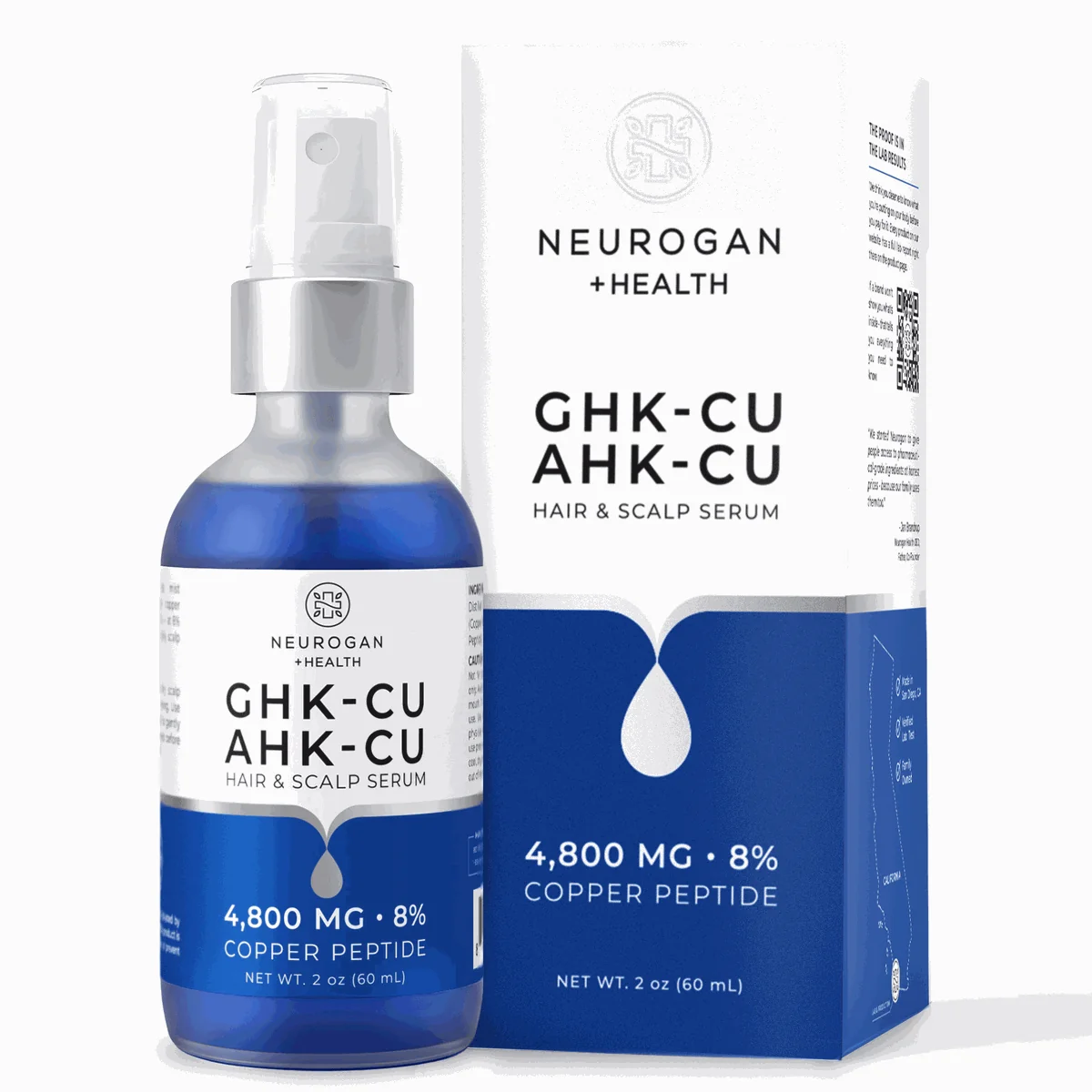
Leave-in serums usually have more potential because they stay on the scalp longer. Some are designed to support circulation, reduce scalp stress, or deliver ingredients associated with fuller-looking hair. Results depend heavily on the formula, the cause of your hair loss, and how consistently you use it. Think of these products as supportive tools that can strengthen a broader routine rather than guaranteed standalone fixes.
What does not usually work the way people hope
A lot of hair loss marketing relies on desperation. That is why it helps to be blunt about what tends to disappoint.
Supplements can be useful if you have a real deficiency, but they are not universal hair regrowth pills. If your iron, vitamin D, protein intake, or other nutritional markers are off, correcting that can help. If you are not deficient, taking more biotin or a trendy gummy often does very little.
DIY oils also fall into the mixed-results category. Scalp massage and certain oils may improve scalp comfort or reduce dryness, and some people like them as part of self-care. But oils are not a proven answer for most forms of pattern thinning. They can also backfire if they clog the scalp, create buildup, or irritate sensitive skin.
Then there are products that promise overnight thickening, follicle reactivation, and dramatic hairline recovery with no commitment. That is usually your signal to step back. Real improvement in thinning hair tends to come from sustained use, not miracle claims.
The cause of your hair loss changes the right solution
This is where the conversation gets more useful. The best treatment depends on why you are losing hair.
If you are dealing with pattern hair loss, your focus should be on slowing miniaturization and supporting regrowth while follicles are still active. If your shedding started after stress, illness, weight loss, or hormonal change, it may be telogen effluvium, which often improves with time and recovery. If you notice patchy loss, sudden bald spots, scalp pain, or heavy inflammation, that is a different situation and should not be handled like routine thinning.
A lot of frustration comes from treating every kind of hair loss the same way. Someone using a density serum for a medical shedding issue may think nothing works. Someone taking vitamins for a receding hairline may lose time they could have used on a more targeted option.
When to stop guessing
If your shedding is sudden, severe, patchy, or paired with symptoms like fatigue, menstrual changes, scalp burning, or major life stress, it is smart to get medical input. Thyroid issues, low iron, hormonal shifts, autoimmune conditions, and medication changes can all affect hair growth.
That does not mean every person with thinning needs a clinic-first approach. Many people can start with a focused at-home routine. But if the pattern is unusual, aggressive, or not improving, guessing gets expensive.
What an effective hair growth routine usually looks like
The best routine is usually not the most complicated one. It is the one you will actually stick with long enough to see whether it works.
Start with one proven treatment-oriented step aimed at regrowth or shedding support. Add a scalp-care product that helps keep your scalp in better condition. Use a gentle shampoo and avoid harsh styling habits that create extra breakage and stress on fragile hair. If your diet, stress, sleep, or hormone health are off, address those too, because the follicle reflects what is happening in the body.
Most important, track your progress realistically. Take photos in the same lighting every month. Pay attention to the hairline, part width, crown, and overall density. Daily mirror checks can make small gains invisible and normal shedding feel worse than it is.
Patience is part of what works
Hair growth is slow, and that makes this category emotionally difficult. A routine that is actually helping may look disappointing at week three and encouraging at month four. That is normal.
The people who get the best results are usually not the ones chasing a new product every ten days. They are the ones who choose a smart plan, use it consistently, support scalp health, and give their follicles enough time to respond.
If you want visible change, focus less on hype and more on fit. The right solution is not the loudest one. It is the one that matches your type of hair loss, supports your scalp, and earns its place in your routine with steady results.