

Your edges usually tell the truth before the rest of your hair does. If your hairline looks lighter, finer, or harder to style than it used to, that shift can feel personal fast. Knowing how to regrow thinning edges starts with one thing: stop treating the hairline like it can handle the same stress as the rest of your hair.
Edges are delicate by default. The hairs around the temples and front hairline are often finer, shorter, and more vulnerable to friction, tension, and buildup. That means the products and habits that seem harmless elsewhere can quietly wear this area down over time. If you want visible improvement, the goal is not just growth. It is creating the right conditions for those follicles to stay active long enough to produce stronger, fuller hair.
Why edges thin in the first place
Thinning edges rarely come from one cause alone. For many people, the biggest trigger is repeated tension from tight ponytails, slick buns, braids, wigs, extensions, or edge control routines that pull the same area day after day. Even if the style looks clean, the constant strain can inflame the follicle and weaken growth over time.
Chemical processing can make the problem worse. Relaxers, bleach, dye, and harsh adhesives can irritate the scalp or break already fragile hairs right at the hairline. Heat also matters. Flat irons, hot combs, and blow dryers used too close to the edges can dry out the hair shaft and increase breakage.
There is also the scalp side of the equation. Product buildup, excess oil, flakes, or inflammation can interfere with a healthy growth cycle. And sometimes the issue is internal. Hormonal changes, stress, nutrient gaps, shedding after illness, and certain medical conditions can all show up first as a weaker hairline.
That is why results depend on the real cause. If your edges are thinning from styling stress, changing your routine can make a major difference. If the thinning is tied to hormones or a scalp condition, you may need a more targeted treatment plan.
How to regrow thinning edges without making them worse
The first move is reducing tension immediately. If a hairstyle pulls, stings, or leaves your scalp tender, it is too tight. This sounds obvious, but many people keep protecting their hair length while sacrificing the hairline. Looser styles are not a setback. They are part of the fix.
Next, stop overworking the area. Daily brushing, laying, geling, and redoing edges keeps the hairline under constant mechanical stress. A cleaner routine usually gets better results than a more aggressive one. If your edges are already thin, think less control and more recovery.
Scalp health should also move to the front of your plan. Hair growth products tend to get attention, but a congested or irritated scalp will not give you the best return from anything you apply. Keep the area clean, avoid heavy residue, and pay attention to itching, burning, or persistent flakes. Those are signs the hairline may need a gentler approach, not more product.
What actually helps regrowth
If you are serious about how to regrow thinning edges, look for treatment steps that support the follicle, not just the appearance of fullness. There is a difference between covering the problem and improving it.
A consistent scalp treatment routine can help support regrowth, especially when it is designed for thinning hair rather than general styling. Products aimed at hair density often focus on creating a healthier scalp environment, reducing shedding, and supporting stronger growth at the root. This is where consistency matters most. Using a targeted growth product for one week and quitting will not tell you much. Hair responds over months, not days.
Massage can help when done correctly. Gentle fingertip massage may support circulation and improve product distribution, but hard rubbing is counterproductive. The hairline does not need friction. It needs blood flow without trauma.
Hydration and strength are also part of the equation. Dry, brittle edge hairs break easily, which makes thinning look worse even if some new growth is coming in. A lightweight leave-in or nourishing scalp-friendly formula can help reduce breakage, as long as it does not leave behind heavy buildup.
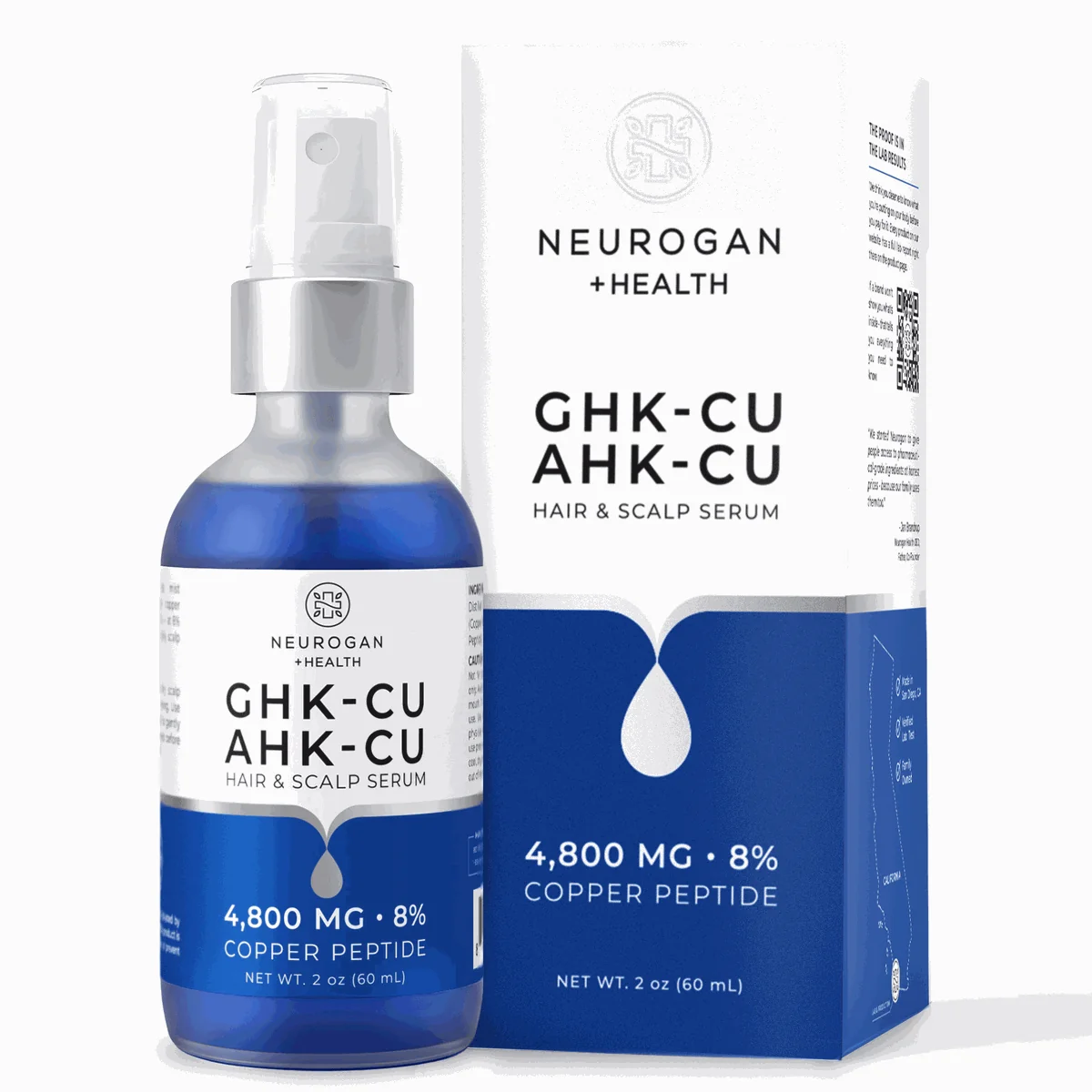
For some people, the strongest option is a dedicated regrowth product from a brand that specializes in thinning hair support. AX Hair Growth speaks directly to that need by focusing on visible density improvement and scalp support, which is exactly what edge recovery requires.
Styling habits that either help or sabotage progress
You can use the right treatment and still slow your results if your styling habits stay the same. This is where a lot of edge regrowth efforts stall.
Protective styles can be useful, but only when they are truly protective. If braids are installed tightly at the temples, or a wig is secured with irritating adhesive at the hairline, the style is not protecting your edges. It is stressing them. Styles should reduce manipulation, not shift the damage into a different form.
Nighttime friction matters more than most people realize. Cotton pillowcases and rough wrapping can increase breakage along the front hairline. A smoother sleep surface and a soft wrap can help preserve fragile hairs while they recover.
Be careful with edge brushes and firm gels. The combination of pulling, smoothing, and drying down the same hairs every day can keep the area in a cycle of breakage. If you want regrowth, your hairline cannot be treated like a styling accessory.
How long does it take to regrow thinning edges?
Most people want a timeline, and the honest answer is that it depends on the cause and the condition of the follicle. If the hairline is thinning mainly from breakage and tension, you may notice less shedding and a healthier look within several weeks of changing your routine. Visible regrowth often takes a few months.
If the follicles have been under stress for a long time, progress can be slower. And if there is scarring or prolonged traction damage, some areas may not fully return without professional evaluation. That does not mean you should give up early. It means expectations should be realistic. The goal is steady improvement in density, strength, and retention.
Track progress with photos in the same lighting every few weeks. Day-to-day checking usually creates frustration because hair growth is gradual. Photos make small gains easier to see.
When thinning edges need more than at-home care
Sometimes your edges are asking for more than a routine reset. If you have redness, pain, scaling, sudden patchy loss, or thinning that keeps progressing despite reducing tension and using supportive products, it is smart to get medical input. Conditions like alopecia areata, seborrheic dermatitis, hormonal imbalance, and traction alopecia can overlap, and they do not all respond to the same approach.
This is especially important if the area looks shiny, smooth, or scarred. Those changes can suggest the follicle is under more serious stress. The earlier you act, the better your chances of preserving regrowth potential.
The edge regrowth routine that makes sense
A useful routine is usually simpler than people expect. Keep the scalp clean. Use a treatment product consistently. Moisturize enough to reduce breakage without clogging the area. Avoid tension, harsh adhesives, aggressive brushing, and daily slick-back styling. Then give the process time to work.
The people who see the best improvement are usually not the ones doing the most. They are the ones removing the cause, supporting the scalp, and sticking to a plan long enough to see real change. That is the difference between temporary coverage and actual regrowth.
If your edges have been getting thinner, this is the right time to act – not after the area becomes harder to recover. Treat the hairline like the high-risk zone it is, stay consistent with targeted care, and let your routine start working for growth instead of against it.