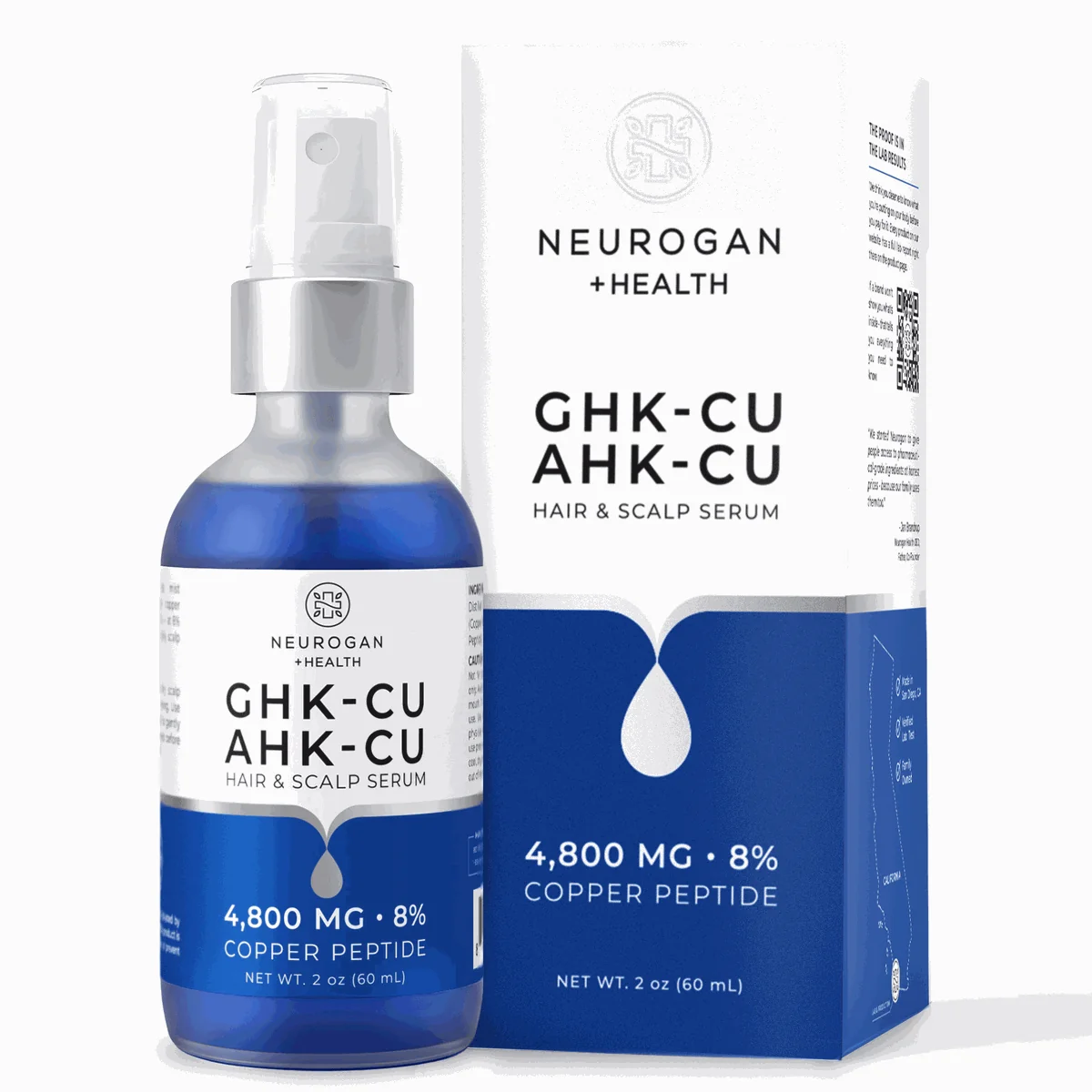


Rice bran oil and rice water is not the same. One strengthens your hair from within. The other coats from outside.
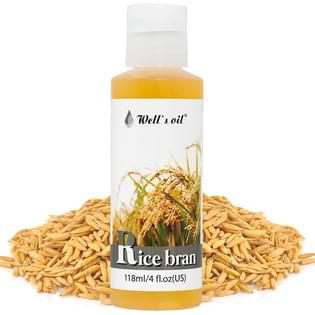
Well’s Cold-Pressed Rice Bran Oil (4oz)
The essential carrier base for your Rosemary Protocol.
- ✔ Cold Pressed Integrity: Preserves the Gamma-Oryzanol antioxidants that stimulate follicles.
- ✔ Fast Absorption: The perfect viscosity for scalp massage. No greasy residue.
- ✔ 100% Pure: No fillers or fragrance. Just raw hair fuel.
Before you waste money, you might want to know which one to use because they do different things.
Rice water is a protein treatment. Overdose will only cause more damage you try to fix.
This guide will teach you everything you must know before you rush and buy oils.
Why Is Rice Good for Hair? The Science Explained
Rice contains a handful of compounds that benefit hair through different mechanisms. When you understand it, it will help you choose the perfect treatment for your specific needs.
A 2022 systematic review in the Journal of Drugs in Dermatology analyzed 10 studies confirming rice’s hair growth potential. Also, in 2024, a clinical trial demonstrated that inositol (the key compound in rice water) significantly increased hair density in female participants at 18 weeks. The science is real, but only if you understand what you’re working with.
The Key Compounds in Rice (Important for Hair Growth)
Inositol — You get this in rice water (not oil)
- Penetrates your hair shaft and stays inside even after rinsing
- It can reduce surface friction and enhanced hair elasticity
- An increase in hair density is noticed after 18 weeks
- Acts like a protein treatment (this matters, and I’ll cover this later)
γ-Oryzanol (Gamma-oryzanol) — Found in rice bran oil (1.5-2.9% concentration)
- Inhibits 5α-reductase enzyme linked to androgenetic alopecia
- Prolongs anagen (growth) phase by increasing VEGF, IGF-1, and KGF expression
- Provides UV protection through antioxidant activity
- Unique to rice bran oil—not in coconut, argan, or jojoba oils
Ferulic Acid — Found in both, higher in oil
- Powerful antioxidant that protects your follicles from oxidative stress
- Enhances the absorption of other hair-beneficial compounds
Amino Acids & B Vitamins — Found in rice water
- Support keratin production
- Strengthen hair shafts from within.
Rice water offers you water-soluble substances that can penetrate your hair.
Rice bran oil gives you fat-soluble substances that coat and protect.
These are complementary and not interchangeable.
Rice Bran Oil vs Rice Water: What’s the Difference?
This is the critical distinction that most articles miss.
| Source | Pressed from rice bran (outer hull) | Starchy liquid from soaking |
| Primary compounds | γ-oryzanol, tocotrienols, squalene, fatty acids | Inositol, amino acids, B vitamins, starch |
| Mechanism | Seals cuticle, UV protection, DHT inhibition | Penetrates shaft, reduces friction, increases elasticity |
| Best for | Sealing moisture, scalp treatment, heat protection | Strengthening, detangling, adding shine |
| Protein effect | Minimal protein impact | Acts like protein treatment (overload risk) |
| Texture | Oil (greasy) | Water (light) |
| Shelf life | 6-12 months | 5-7 days refrigerated |
What this means practically:
If your hair wants moisture and protection, aim for rice bran oil. For strength and repair, rice water is your best option. For max benefits, use oil for sealing and water for strengthening, but on different days.
Why Is Rice Bran Oil Good for Hair?
Rice bran oil offers compounds found nowhere else in the natural hair care sphere.
Rice Oil for Hair Benefits
1. DHT Blocking Potential γ-oryzanol inhibits 5α-reductase, this enzyme converts testosterone to DHT, a hormone responsible for pattern hair loss. Maybe not as potent as finasteride, but it offers no side effects, great for those concerned about thinning.
2. Superior Heat Protection Rice bran oil’s smoke point sits at 232°C (450°F), much higher than most styling tools’ temperatures. An excellent natural heat protectant that also conditions.
3. UV Protection You get antioxidants, including tocotrienols, that are more potent than regular vitamin E, which gives you natural sun protection for your hair.
4. Lightweight Sealing Rice bran oil doesn’t feel heavy like coconut does, for example. It absorbs quickly and forms a protective barrier.
5. Scalp Health The Anti-inflammatory qualities can help with dandruff, itchiness, and general scalp irritation.
How Rice Bran Oil Compares to Other Hair Oils
| Penetration | Surface sealing | Deep penetration | Surface + partial | Sebum-mimicking |
| Unique advantage | γ-oryzanol (DHT blocking) | Reduces protein loss 39-54% | Premium conditioning | Regulates oil production |
| Best for | All types, heat/UV protection | Thick, curly, dry hair | Dry, damaged, frizzy | Oily scalp, fine hair |
| Weight | Light-medium | Heavy | Medium | Light |
| Comedogenic risk | Low | Can clog pores | Low | Non-comedogenic |
How to Use Rice Bran Oil for Hair
Pre-Wash Treatment:
- Warm 1-2 tablespoons between palms
- Apply to dry hair, focusing on mid-lengths and ends
- Massage into scalp if you’re tackling thinning
- Leave 30 minutes to overnight
- Shampoo out (you might need two washes)
Heat Protectant:
- Apply 2-3 drops to damp hair before styling
- Focus on your ends where the damage occurs
- Style as normal
Leave-In Sealer:
- After styling, apply 1-2 drops to your ends only
- Prevents frizz and adds a nice shine
- Don’t use too much, less goes far
Which Rice Is Best for Hair Growth?
Not all rice produces the same results. Here’s what the research and traditional practices suggest.
Rice Type Comparison for Hair
| White Rice | Highest amylopectin | Cleanest release into water, maximum shine | Beginners, all hair types |
| Jasmine/Basmati | High, lower arsenic | Fragrant, cleaner source | Best all-around recommendation |
| Brown Rice | Medium (retains bran) | More B vitamins, γ-oryzanol in bran | Extended fermentation, added nutrition |
| Black (Forbidden) Rice | High + anthocyanins | Highest antioxidants, 8.5g protein (vs 6.8g white) | Premium treatment, anti-aging |
| Sticky/Glutinous Rice | Very high amylopectin | Traditional Yao women choice | Maximum nutrient release during fermentation |
The Final Verdict on Which Rice to Use For Hair
For most people: Jasmine or basmati white rice. It’s clean, effective, and available. It’s also low on arsenic.
For premium treatments: Black rice gives you superior antioxidants, but you pay more and can stain light hair temporarily.
For fermentation: Brown rice provides extra nutrients that become bioavailable during the fermentation process.
Traditional insight: The Yao women of Huangluo (famous for 6-foot hair that doesn’t gray until their 80s) use Longsheng sticky rice with high amylopectin content, fermented for up to two weeks with citrus peel and herbs.
How to Make Rice Water for Hair Growth at Home
You can make it by different methods. Each has pros and cons. Choose based on your hair needs and preferences.

Method 1: Soaking Method (Easiest)
Best for: Beginners, quick treatments
Ingredients:
- ½ cup rice (any type)
- 2-3 cups filtered water
Instructions:
- Rinse rice briefly to remove dirt
- Place in bowl with water
- Swirl gently with fingers for 30 seconds
- Let it sit for 30 minutes to 4 hours
- Strain into spray bottle or container
- Refrigerate and use within 5-7 days
Result: Mild strength, good for weekly use
Method 2: Fermented Rice Water (Most Effective, Superior for Inositol)
Best for: Maximum benefits, optimal pH
This is what traditional practices get right. Avoid those TikTokers who offer recipes that are not worth it.
Why fermentation matters:
- Drops pH from 6-7 (plain) to 4.5-5.5 (matches hair’s natural pH)
- Increases the inositol profile significantly
- Creates beneficial postbiotics for your scalp microbiome
- Enhances amino acid bioavailability
Instructions:
- Step 1: Rinse ½ cup organic white jasmine rice briefly (don’t over-rinse)
- Step 2: Soak in 2-3 cups filtered water for 30-60 minutes, swirling occasionally
- Step 3: Strain the cloudy liquid into a glass jar
- Step 4: Add ½ lemon slice (optional but recommended)
- Step 5: Cover loosely (not airtight)
- Step 6: Ferment at room temp for 12-24 hours (not 48)
- Step 7: When it smells slightly sour/bread-like, refrigerate immediately to stop fermentation
- Step 8: Use within 3-5 days
Pro tip: Add 2-3 strips of citrus peel during the fermentation. The Yao women do this because it eliminates the sour smell and adds vitamin C that synergizes with the ferulic acid in rice.
Pro tip 2: If you see fuzzy mold or if it smells putrid and not just sour, throw it.
Application order: Spray → Massage → Leave 10-30 min → Rinse thoroughly with warm water.
Method 4: Cold Pre-Soak Method (Hidden Gem)
Research shows that soaking rice in cold water for 4 hours before heat can double the initial phenolic concentration.
Instructions:
- Soak rice in cold water, refrigerate 4 hours
- Transfer to saucepan, simmer 10 minutes
- Strain and cool
- The result is darker and more potent
When to Use Rice Water on Hair (And How Often)
Here is where most people go wrong and where the protein overload nightmare creeps in.
The Protein Overload Problem Nobody Warns About
Rice water is like a protein treatment. Inositol and amino acids strengthen your hair by filling in gaps in the cuticle. It’s fantastic for damaged, over-processed and limp hair.
What if your hair already has enough protein? You’re setting yourself up for disaster.
Signs of protein overload:
- Hair feels stiff, straw-like, or crunchy
- Increased breakage (opposite of what you wanted)
- Hair snaps when stretched instead of bouncing back
- Dry, brittle texture despite using conditioner
- More tangles than usual
Who’s most at risk:
- Low-porosity hair (cuticle already tight)
- Curly/coily hair types (naturally more protein-sensitive)
- Fine hair (less surface area to absorb)
- Already protein-treated hair
Safe Frequency Guidelines by Hair Type
| Low porosity | Every 2-3 weeks MAX | Dilute 1:3 with plain water |
| High porosity | Weekly | Can handle full strength |
| Fine/thin | Every 2 weeks | Use mild concentration |
| Thick/coarse | Weekly to 2x weekly | Can handle more frequent use |
| Curly (2A-3C) | Every 1-2 weeks | Watch for stiffness |
| Coily (4A-4C) | Every 2-3 weeks | Focus on scalp, not lengths |
| Color-treated | Every 2 weeks | No ACV rinse (strips color) |
| Damaged/over-processed | Start weekly, reassess | May need it more initially |
Where to Apply Rice Water on Hair
The Application matters as much as the formula.
Scalp Application (For Growth)
The hair growth comes from scalp contact, blood flow stimulation, follicle nourishment and antimicrobial effects.
Technique:
- Part hair into sections
- Use a spray or applicator bottle
- Apply directly to scalp along part lines
- Massage with fingertips 2-3 minutes
- Work through methodically until your entire scalp is covered
Length Application (For Strength & Shine)
Technique:
- Apply to damp, freshly washed hair
- Work from mid-lengths to ends
- Avoid roots if hair is fine or oily
- You can apply to scalp + lengths if your hair needs both
The 90% Rinse Method (Salon Trick)
Stylists use this technique to reap maximum benefits without buildup.
- Apply full-strength rice water
- Leave 15-20 minutes under shower cap
- Rinse out 70-80% with cool water
- Mist lightly with diluted rice water (1:5 ratio) as leave-in
- Style as normal
This provides deep treatment + daily refresh without the overload risk.
Hair Type-Specific Rice Protocols
For Fine or Thin Hair
Challenge: Rice water can weigh down fine strands and the protein overload risk is higher.
Protocol:
- Use mild/diluted rice water (1:2 or 1:3 ratio)
- Apply to your scalp primarily, lengths sparingly
- Every 2-3 weeks maximum
- Consider rice bran oil instead (2-3 drops on ends only)
- Fermented version preferred (lower pH = less cuticle swelling)
For Thick or Coarse Hair
Advantage: Can deal with stronger concentrations and frequent use.
Protocol:
- Use full-strength
- Apply scalp to ends
- Frequency: Weekly to twice weekly
- Leave on longer (30-60 minutes)
- Excellent candidate for rice water + rice bran oil combination
For Curly Hair (2A-3C)
Challenge: Protein sensitivity varies; some curls will love it, others hate it.
Protocol:
- Start with diluted formula (1:2)
- Apply primarily for curl definition
- Watch for stiffness or crunch, reduce the frequency if this appears
- The fermented method (pH 4.5-5.5) can enhance curl pattern
- Follow with a moisture-rich leave-in
For Coily Hair (4A-4C)
Priority: Moisture first, and use protein strategically.
Protocol:
- Focus on scalp application for the growth benefits
- Hair lengths need moisture more than protein
- Use rice water every 2-3 weeks as a protein boost
- Apply before protective styles while hair is sectioned
- Always follow with deep conditioning
For Oily Scalp
Advantage: Rice water’s clarifying effects can help regulate sebum.
Protocol:
- Add 1 tablespoon apple cider vinegar per cup after fermentation
- Apply to scalp only; skip lengths unless damaged
- Use 2-3 times weekly
- Don’t add any oils to the formula
- Rinse thoroughly
For Dry Scalp or Dandruff
Protocol:
- Add 1 tablespoon aloe vera gel after straining
- Apply to scalp, massage well, leave overnight when possible
- You can use daily
- Consider alternating with rice bran oil and scalp massage
- The fermented version’s postbiotics support scalp microbiome
Realistic Timeline
| Week 1-2 | Improved scalp feel, slightly smoother texture |
| Week 2-4 | Reduced daily shedding, easier detangling |
| Month 1-2 | Visible shine improvement, less breakage |
| Month 2-3 | Hair appears thicker due to less breakage; baby hairs may appear at hairline |
| Month 3-6 | Full benefits realized; “length retention” visible (less breakage = longer hair over time) |
Important note: You’re not growing your hair faster. You keep more growth by reducing breakage. The end result is longer, thicker-looking hair.
Where to Buy Rice Water for Hair (Commercial Options)
Be mindful here before you order. Most ‘Rice Water’ sprays on Amazon are just water with fragrance.
What to Look for in Products
Good signs:
- Fermented rice water (better pH, more bioavailable)
- Rice bran oil (not rice “extract”)
- Minimal added ingredients
- No silicones if aim to avoid buildup
- Protein-free options for protein-sensitive hair
Red flags:
- “Rice extract” without specification (often minimal actual rice)
- Heavy fragrance (may indicate cheap base + marketing)
- Claims of “miracle growth” (overselling)
Product Categories
Rice Water Treatments:
- Pre-made fermented rice water sprays (I havent found a good source so make your own)
- Rice water-based leave-ins
- Rice protein hair masks
Rice Bran Oil Products:
- Pure rice bran oil (for DIY mixing)
- Rice bran oil hair serums
- Rice bran oil-based shampoos/conditioners
Traditional/K-Beauty Options:
- Many Korean hair products feature rice as the hero ingredient
- Look for “rice water” or “rice bran” in the first 5 list of ingredients
Common Mistakes That Ruin Results
Preparation Mistakes
- Not rinsing rice first — Removes surface dirt and pesticides
- Using hot water for initial soak — Kills some of the beneficial compounds
- Over-fermenting — Beyond 48 hours will make it too acidic; 24-38 hours is sweet spot
- Not covering during fermentation — Keeps out contaminants while allowing gas to escape
- Using tap water with chlorine — Interferes with fermentation; use filtered water
Application Mistakes
- Applying to dry hair — Damp hair absorbs it better
- Leaving on too long — More than 30-45 minutes can increase buildup/overload risk
- Using too often — Weekly maximum for most, every 2-3 weeks for protein-sensitive
- Skipping the rinse — Must rinse out to prevent a stiff buildup
- Hot water rinse — Cool water seals the cuticle and hot water opens it
Storage Mistakes
- Room temperature beyond 48 hours — Bacteria multiply, so refrigerate immediately after fermentation
- Making month-long supplies — It spoils fast, so make 1-2 weeks’ worth
- Unclean containers — Sterilize spray bottles between batches
- Not labeling dates — Easy to lose track, so you should always label
Expectation Mistakes
- Expecting overnight transformation — Real results can take 4-8 weeks minimum
- Ignoring hair type — What works for high-porosity won’t work for low-porosity
- Comparing to others — Individual response varies significantly
- Stopping too soon — Most quit before the 6-week mark when results start to show up
Safety Considerations
Who Should Be Cautious
Protein-sensitive hair: Start with a heavily diluted water formula and keep an eye out for stiffness.
Scalp conditions: If you have active psoriasis, eczema, or open wounds, wait until you fix it.
Rice allergy: Rare, but if you react negatively to eating rice, patch test before scalp application.
Patch Test Protocol
- Apply small amount to your inner elbow
- Wait 24 hours
- Check for redness, itching, irritation
- If clear, you can proceed with scalp application
Possible Side Effects
- Protein overload (most common) — Reduce frequency and add a moisture treatment
- Buildup (if not rinsing properly) — Clarify and reduce application time
- Scalp irritation (rare) — Dilute further or stop
- Temporary darkening (black rice only) — Washes out over 2-3 shampoos
The Bottom Line
Rice treatments can work only when you use it correctly and for your hair’s needs.
Rice water penetrates and strengthens. Best for damaged, over-processed, limp hair that needs structural support. It acts like protein and protein-sensitive hair must use it carefully and not frequenctly.
Rice bran oil seals and protects. Best for heat protection, UV defense, frizz control, and to suppot your follicle health through its unique γ-oryzanol content. It’s gentler and good for frequent use.
Start by chooing if you want to make your own rice water or buy it online. But if you buy make sure it’s from a good source. Independent brands is better than mass produced garbage.
If you want to pamper your hair further, learn how to make rosemary water for hair growth or check out my hair tips that you will love.
In three months, your hair will thank you.
For maximum results: Use both. Fermented rice water weekly to biweekly to strenghten your hair. ANd Rice bran oil as pre-wash treatment or daily sealer for protection.
For realistic expectations: You’ll see the shine in 2-4 weeks, less breakage in 4-8 weeks, and visible length retention in 2-3 months.
Why is rice good for hair?
Rice contains inositol (penetrates and strengthens the hair shaft), amino acids (building blocks for keratin), and when using rice bran oil, γ-oryzanol (supports follicle health and provides UV protection). A 2024 clinical trial confirmed inositol significantly increases hair density with consistent use.
Which rice is best for hair growth?
For most people, jasmine or basmati white rice offers the best balance of effectiveness and practicality. Black (forbidden) rice has superior antioxidants for premium treatments. The Yao women traditionally use sticky rice for maximum nutrient release during fermentation.
How often should I use rice water on hair?
Depends on hair type and porosity. High-porosity and damaged hair can use weekly. Low-porosity, fine, or protein-sensitive hair should limit to every 2-3 weeks. Watch for signs of protein overload (stiffness, brittleness) and reduce frequency if they appear.
Can I leave rice water in my hair overnight?
Not recommended. Extended contact increases protein overload risk and can leave residue. Optimal leave-time is 15-30 minutes, maximum 45 minutes. For overnight treatment, use diluted rice water (1:3 ratio) or rice bran oil instead.
What’s the difference between rice water and rice bran oil?
Rice water extracts water-soluble compounds (inositol, amino acids) that penetrate and strengthen hair. Rice bran oil extracts fat-soluble compounds (γ-oryzanol, vitamin E) that coat and protect hair. They work through different mechanisms and are complementary, not interchangeable.
Is fermented rice water better than plain?
Yes. Fermentation lowers pH from 6-7 to 4.5-5.5 (matching hair’s natural pH), increases inositol content, and creates beneficial postbiotics for scalp health. The 24-48 hour fermentation window is optimal.
Can rice water cause hair loss?
Not directly. However, protein overload from overuse can cause breakage that looks like hair loss. If you notice increased shedding after starting rice water, reduce frequency immediately and add moisture-focused treatments.
Where should I apply rice water—scalp or hair lengths?
Both, but for different benefits. Scalp application supports follicle health and growth. Length application strengthens the hair shaft and adds shine. For growth focus, prioritize scalp. For strength/shine, prioritize lengths. Fine or oily hair should avoid heavy scalp application.
Does rice water actually make hair grow faster?
Not exactly. Hair growth rate is genetically determined. What rice water does is reduce breakage, meaning you retain more length over time. The result looks like faster growth, but the mechanism is retention, not acceleration.
Can I use rice water on color-treated hair?
Yes, with modifications. Skip the ACV rinse (can strip color). Use fermented version (gentler pH). Rice water may actually help maintain color vibrancy by sealing the cuticle. Black rice can temporarily darken light hair—avoid if you’re blonde.
How do I know if my hair needs protein or moisture?
Stretch test: Take a wet hair strand and gently stretch it.
Snaps immediately with no stretch = needs moisture
Stretches far and doesn’t return/breaks = needs protein
Stretches slightly and returns = balanced